

Man, juggling crypto portfolios feels like herding cats sometimes. Seriously, one day your staking rewards look solid, next day—poof—they’re buried under fees or missed blocks. If you’re deep into Solana, you’ve probably felt that itch to find a better way to keep tabs on your assets while making your staking strategy smarter. Here’s the thing: it’s not just about locking coins away. How you track your portfolio, which wallet you pick, and the validators you trust can change your whole game.
So, I was thinking about the whole Solana ecosystem, especially for folks who want to maximize DeFi plays and staking rewards without sweating every single transaction. Yeah, it sounds like a tall order, but there’s a rhythm to it. And honestly, some wallets make it easier while others make you wanna throw your laptop out the window.
Initially, I thought, “Hey, just pick any wallet with staking.” But then I realized—hold up—security, user interface, and validator selection tools matter way more than I gave them credit for. There’s this subtle balance between convenience and control, and it’s easy to tip the scales if you aren’t careful.
Check this out—did you know that some wallets lock you into a fixed validator set with no easy way to switch? That bugs me because Solana’s network thrives on decentralization, right? You want to be able to vote with your stake, choose validators you trust, and keep your portfolio visible in real-time. (Oh, and by the way, if you’re still hunting for that wallet, you might want to consider the solflare wallet download—it’s been a lifesaver for me.)
Really?
Yeah, let me explain.
Portfolio tracking on Solana can be a bit of a wild west. Unlike Ethereum or Bitcoin, where wallets and explorers have mature dashboards, Solana’s rapid growth means many tools are either too simplistic or too complex for everyday users. My gut says most people settle for basic balance checks and miss the bigger picture—like yield optimization and validator health, which directly impact your staking returns.
Here’s a medium thought: you want a wallet that not only shows you what you have but also informs you about the validators you’re delegating to. Are they reliable? Do they have a good uptime? Are they participating actively in governance? These questions are crucial because if your validator goes offline or acts maliciously, you risk losing rewards or worse.
On one hand, some users prefer the simplicity of a custodial wallet. Though actually, that convenience often sacrifices that transparency and control. On the other hand, non-custodial wallets like Solflare let you manage your keys and choose validators with a few clicks. It’s like choosing between renting a car and owning one—you get different freedoms and risks.
Whoa! I just remembered when I switched validators last month. The interface was clunky at first, and I almost gave up. But after tinkering, the rewards improved noticeably, and I felt way more in control.
Now, about portfolio tracking tools integrated with your wallet—some of them offer real-time updates, staking analytics, and even alerts for validator performance dips. That’s what sets the pros apart from the casual users. Honestly, I think this part is very very important, especially as Solana’s DeFi space keeps evolving fast.
Okay, so check this out—combining a solid wallet with a reliable portfolio tracker feels almost like having a personal assistant for your crypto. You don’t have to constantly check multiple apps or explorers; your wallet dashboard becomes your command center.
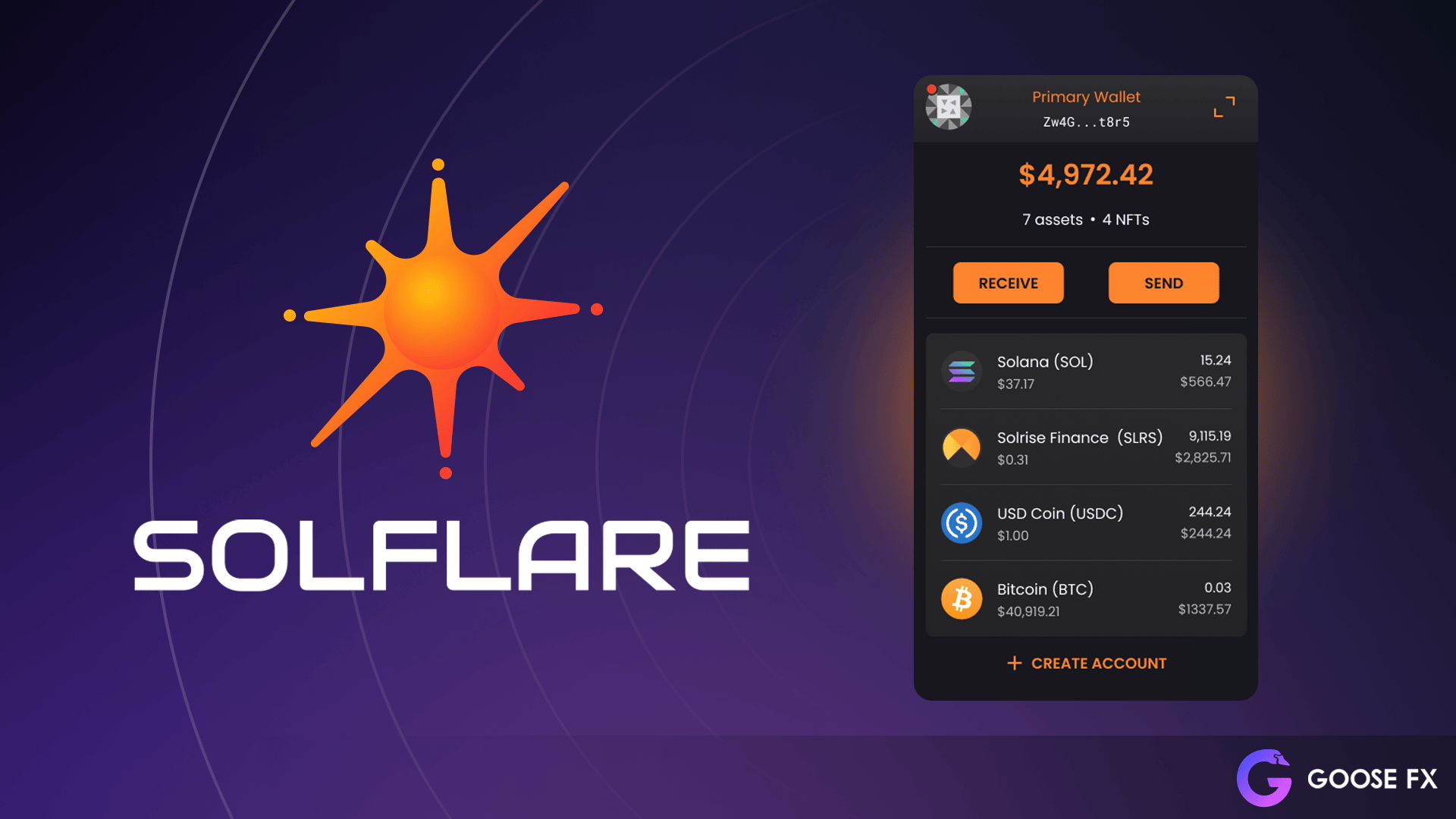
But, here’s the kicker—picking a wallet isn’t just about features, it’s about trust. I’m biased, but the solflare wallet download offers a neat blend of security and user-friendliness. It supports hardware wallets, so you can keep your private keys offline, and its validator selection interface is intuitive enough for newcomers but powerful enough for veterans.
Something felt off about some other wallets—they either had outdated UIs or didn’t update validator data often. That’s a red flag if you’re serious about staking.
Validator Selection: The Unsung Hero of Staking
Honestly, I used to think all validators were basically the same. Hmm… how wrong I was. Validators differ widely in their commission rates, performance, and community reputation. Choosing the right one can boost your staking rewards and reduce risks.
At first glance, it seems logical to pick validators with the lowest fees. But actually, wait—let me rephrase that. Low fees don’t always translate to better returns if the validator has poor uptime or gets slashed for misbehavior. It’s a trade-off.
So, what’s the better approach? Look for validators with a transparent track record, community engagement, and reasonable fees. Also, consider their total stake size. Sometimes, smaller validators are more responsive but may lack infrastructure stability, while larger ones might be more reliable but less personal.
Personally, I maintain a small mix of validators—some big, some small. This diversification helps me hedge against downtime or slashing events. But I get it, managing multiple validators can feel overwhelming without a good wallet interface.
Here’s what bugs me about some staking dashboards—they don’t make validator performance history easy to access. You want to see metrics like uptime, missed votes, and commission changes over time. That’s the kind of info that helps you sleep better at night.
And, of course, the ability to switch validators quickly without hefty penalties is crucial. Some wallets make it painfully slow or complicated, which is a big turnoff.
By the way, the Solflare wallet’s validator selection tool simplifies this process. It shows real-time stats, lets you filter by commission or uptime, and even highlights community-vetted validators. For me, that transparency was a game-changer.
Now, circling back to portfolio tracking—one feature I really appreciate is the visual breakdown of assets across staking, liquidity pools, and regular holdings. It’s one thing to know your total balance, but seeing how your funds are allocated helps with strategic decisions.
Imagine you’re staking some SOL, providing liquidity in Raydium pools, and holding some NFTs—all in one place. Managing that without a cohesive dashboard feels like juggling flaming torches. (Seriously.)
I’m not 100% sure if all users need that level of detail, but for anyone dabbling in multiple DeFi protocols, it’s very very useful.
Something else worth mentioning: security. No matter how slick the portfolio tracker, if your wallet isn’t secure, you’re playing with fire. Hardware wallet integration, seed phrase backups, and phishing protections should be non-negotiable.
In the end, the right Solana wallet is the one that balances all these factors—portfolio visibility, staking control, validator insights, and solid security measures.
So yeah, while it might seem daunting at first, investing the time to find a wallet that ticks these boxes pays off. And for anyone looking to get started or upgrade their setup, the solflare wallet download is a great place to start.
Who knew wallets could be this much fun?
Anyway, I’m still exploring some edge cases—like automated validator rotation or advanced analytics—but that’s a rabbit hole for another day.
FAQs on Solana Portfolio Tracking and Validator Selection
Q: How often should I check my validator’s performance?
A: Ideally, at least once a week. Validator uptime and commission changes can impact your rewards, so staying informed helps you act promptly.
Q: Can I stake SOL directly from the wallet without extra tools?
A: Yep! Wallets like Solflare allow you to stake SOL directly and even switch validators from the interface, making it seamless.
Q: Is it safe to use non-custodial wallets for staking?
A: Generally, yes. Non-custodial wallets give you control over your keys, which is safer if you follow security best practices like backing up seed phrases and avoiding phishing scams.